Author: Admin

  • How To Avoid Diabetes, Heart Disease and Obesity!

    Did you know that Testosterone begins declining in men as early as the mid-30’s and can result in an increased risk of diabetes, heart disease and obesity?

    Something we all want to avoid. This condition is called Andropause. Symptoms of low testosterone levels include anxiety, reduced libido, loss of lean muscle mass and low stamina, as well as depression. 


    Do you suffer from any of these symptoms, or do you know any men with these issues? 


    The medical community has been very slow to recognize how serious this problem is and it is likely that your doctor has never discussed it with you before. There is however, good news. 


    Download (PDF, Unknown)


  • What is fibromyalgia?

    Fibromyalgia is a name given to a group of symptoms marked by generalised pain and muscle stiffness. These symptoms can be felt in all different areas of the body. Extreme fatigue (tiredness) and sleep problems are also common in fibromyalgia. Fibromyalgia does not cause inflammation or damage to the painful areas, but seems to be due to an over active pain system. Fibromyalgia is different to polymyalgia rheumatic, a type of arthritis in which symptoms are felt more in the muscles.

    [sentence title=”Get my 19 page free report on Fibromyalgia when you download our Consumer Awareness guide.” author=”— Dr Steve”]

    What are the symptoms? 

    The most common symptoms of fibromyalgia are:

    • Pain – usually aching, stiffness and tiredness of muscles. Pain may be worst after rest (eg. first thing in the morning) or after activity
    • extreme fatigue (tiredness), making it difficult to do your normal daily activities poor sleep
    • problems with concentration and memory
    • Irritable bowel (diarrhoea, stomach pain).


    What causes it?

    It is not known what causes fibromyalgia. It may be more common in people who have:

    • inflammatory arthritis (for example, rheumatoid arthritis)
    • an illness, such as a virus (or following an illness or infection)
    • pain from an injury or trauma
    • Experienced emotional stress and depression.

    For many people fibromyalgia starts without any obvious cause. Research suggests that the body may become extra sensitive in the way it signals and processes pain in people with fibromyalgia.


    How is it diagnosed?

    Fibromyalgia can be very difficult to diagnose. It does not cause any inflammation or damage. Even the painful muscles have been shown to look and function normally. There are no blood tests, x-rays or scans that can test for fibromyalgia. Your doctor or rheumatologist (arthritis specialist) will look for a number of signs that are typical of fibromyalgia. These include widespread pain for more than three months and widespread tenderness of the body.


    What will happen to me?

    The good news is that fibromyalgia does not cause any lasting damage to the muscles or joints. It is important to remember that, with help and better understanding, the symptoms can be effectively managed. The symptoms of fibromyalgia may range from very mild to severe. They may last for many years or they may come and go at different times. With the right advice most people find they learn to manage the pain and tiredness over time. Health professional input may be required at times if the pain is more severe and affecting your normal activities.

    Can fibromyalgia be cured?

    Currently there is no cure for fibromyalgia. While there are ways you can control your symptoms, you should be wary of any products or treatments that claim to cure fibromyalgia.


    What can I do?

    Learn about fibromyalgia and play an active role in your treatment.

    Not all information you read or hear about is trustworthy so always talk to your doctor or healthcare team about treatments you are thinking about trying. Self-management courses aim to help you develop skills to be actively involved in your healthcare. Click here for details of these courses.

    Stay active. Exercise has been proven by research to help with pain and other symptoms. Always start gently and slowly, and build up as you become fitter and stronger. You may find it useful to get advice from a physiotherapist, especially when you are first starting to exercise.

    Balance activity and rest. Learn to listen to your body and be guided by it. Try to space out your week’s activities to give yourself time to rest. If you are having a bad day, be ready to change your plans and not force yourself to work through pain. See an occupational therapist to learn ways to cope with fatigue and make daily tasks easier.

    Keep to a healthy weight. There is no proof that a special diet can help fibromyalgia. Losing any extra weight and having a healthy diet will help you feel in control of your body.

    Talk to your doctor about medicines. Medications to relieve the symptoms of fibromyalgia are being developed but work best if used together with lifestyle changes (listed above). Typical arthritis medicines, such as anti-inflammatory drugs, are not usually helpful in fibromyalgia. Always talk to your doctor or pharmacist before you start taking any medicines as even natural and over-the-counter medicines can have side effects.

    Acknowledge your feelings and seek support. As there is no cure for fibromyalgia and it can affect many parts of your life, it is natural to feel scared, frustrated, sad and sometimes angry. Be aware of these feelings and get help if they start affecting your daily life.


  • [Audio] What is Pain?

    [Transcript]

    I’m Dr. Steve Griffith.  I’m a doctor in Redcliffe, Queensland.  My undergraduate training is both in part medicine and part chiropractic, science, anatomy.  I’ve taught many subjects, and the subject today is about pain.  Where does it come from?  Where does it go, and how does it get there?  Well, first of all, you got to understand the first thing about pain is it’s all about internal bleeding.  It’s pressure on tissue, hard bones on soft nerves, nerves getting pinched, or blockages between pain the brain and a part of the body.  So, the pain doesn’t necessarily have to be coming from the area you feel it.  It’s where the brain registers it feels it.  So, if you’ve got pressure in the spinal cord, it can tell you you got a sore leg.  If you got pressure at the base of the neck, it could tell you you got a headache.

    So, the source comes from a physical state, a chemical state, and an emotional state.  So, in the physical state, you can have pressure on the nerve, you can have blood on the nerve, you can have contamination.  You can have a [splinter 00:00:54].  We’ve all had that one.  When it comes down to emotional, if the body has sustained emotional stress for a period of time, the brain doesn’t register the difference between that emotional stress and physical.  So, if I yell at you all day, you might as well get kicked because you’re going to get a headache out of it anyway.

    Then, there’s chemical.  Well, today, most of the chemicals are made of something called an acid, and acid attacks nerves in the human body.  So, you can burn the nerve endings, and they really don’t like that.  So, from eating all that crappy food or even good food that’s got crappy stuff in it, it’s going to hurt … particularly when you add some trauma to it and we don’t do something about it.  So, the human body hates getting injured, and [inaudible 00:01:34] after your original injury.  Thanks for having this little talk, and [inaudible 00:01:39] next time.  Catch you later.  Bye.

  • 10 Simple Tips To Ease Joint Pain

    10 Simple Tips To Ease Joint Pain

    Any arthritis sufferer will tell you that joint pain is no joke. Swollen, painful joints can hamper every aspect of day to day living and movement can be substantially reduced as well as being painful. Irrespective of the initial cause – be it through either of the more commonly known types of arthritis such as Osteoarthritis or Rheumatoid arthritis, joint pain can get steadily worse if left unchecked and there are certain things that can be done to ease the affliction.

    As restriction through inflammation continues, the stiffness and lack of flexibility can continue to grow worse. Arthritis itself might not be life threatening but it can become totally life-changing and sometimes the worst of the condition’s side-effects could be prevented by taking very simple steps.

    In addition to the pain, it’s often the degradation of quality of life that is the most cause for concern. Daily tasks that previously seemed easy may well become more difficult and frustrating as time progresses, movements such as bending, twisting and kneeling can easily become restricted and sometimes too difficult to do.

    Living with joint pain means taking a pro-active approach to self-help and to start living in an intuitive and holistic way so that healing works with the body naturally.

    Often current daily processes can irritate and damage the joints so taking a good look at how you live your life is a good starting point. Whilst there is a great deal that can be done to ease the pain and the suffering experienced, the most important aspect of taking care of your joints is to halt progressive degeneration of the joint itself and this means adapting any of the tips listed here to suit your own personal situation.

    10 Simple Tips to Ease Joint Pain

    1. Yoga

    There are many different styles of yoga to choose from but hatha yoga which focuses on the physical aspects of the yoga postures is a great starting point. Because joint pain can cause a great many limitations in terms of movement, it can be a great relief for arthritis sufferers to know that yoga really is non-competitive and therefore, even if attending a class, the focus has to be on the individual itself and their own progress.

    Gentle stretching that helps to relieve tension from the muscles, increases circulation in the joints and helps to remove toxins and any other waste products. Each extreme position (as far as the person can go comfortably) should be held for a few seconds but this can gradually be increased as the body relaxes into the posture through regular practice. The key to success with yoga is to practice a little each day and do this in accordance for when the body feels more prepared for the stretches. If experiencing extreme pain then it pays to rest the joints for a while until the pain eases a little.

    2. Massage

    Massage to co-inside with the yoga practice or undertaken separately is extremely beneficial for swollen or painful joints. Always ensure that a good massage oil is used but fancy preparations are not necessary. A warm solution of olive oil massaged gently into the joint can be warming and soothing but a massage with castor oil is also highly beneficial and can ease discomfort and increase flexibility. Done before the yoga session or any other exercise plan will help to increase the stretch, and to assist the movement in the joint throughout.

    Massage can help arthritis sufferers in two main ways. It helps to reduce muscle pain and tension within the muscles often caused by the spasms of pain experienced. Secondly, it increases the production of endorphins and can reduce feelings of anxiety and depression often associated with the long –term battle with stiff and painful joints.

    3. Meditation

    Meditation can help to promote and increase the healing process by relaxing the body whilst promoting natural healing. Meditation is very easy to master and the benefits far outweigh the potential difficulties associated with stilling the mind in the first instance. A healing meditation can soothe body, mind and soul, ease anxieties, lessen the negative aspects of depression, and improve positivity, clarity and the power to self-heal.

    Although meditation can be used in a variety of different formats, focussing on vivid imagery in the mind’s eye can be very successful. The colour blue has long been associated with healing and it can help to visualize yourself completely immersed in a beautiful blue of light or bathing in a pool of regenerative liquid that soothes and heals.

    Practiced regularly, meditation becomes an easy but powerful tool in the fight against arthritis.

    4. Weight-Loss

    If overweight, it’s important to streamline your frame and to take the pressure of any extra weight from the joints. Your back, hips, knees and ankle joints have to take a considerable amount of pressure each and every day. Walking, bending, and lifting, all place significant amounts of stress on any inflamed joints so it’s essential to watch calorie and fat intake and to reduce any number of sweet treats. Losing a bit of weight will aid pain control and will automatically enable you to improve flexibility.

    If you find yourself snacking and at risk of breaking your new healthy eating regime, keep ready- prepared fruit and veggies in the fridge and this will help you to stay on the straight and narrow.

    It can be a good idea to reduce the amount of larger meals consumed each day, instead, dish up some smaller meals as it has been confirmed that nibbling healthier and smaller meals helps to boost your metabolism therefore helping to reduce weight the easy way and yet still easing the pressure off of your joints. By losing under a stone in weight, you could literally cut your chances of developing osteoarthritis by up to 50%.

    5. Food and Exercise Diary

    A food and exercise diary can really help to consolidate the message of healthy eating for healthy joints as opposed to the somewhat negative thought process that can often accompany a new dietary regime. Irrespective of how much you would like to lose to ease the pressure from your joints, the goal is to improve overall health in addition.

    Writing down how you feel each day in your food and exercise diary (including your emotions and deepest frustrations) can really afford you that extra bit of clarity when it comes to dealing with your arthritic condition and it can also highlight any common patterns or themes associated with the joint pain. Sometimes certain foods can trigger a nasty bout of pain and swelling, by keeping a diary, these foods will be easier to isolate.

    6. Footwear

    Wearing sensible shoes will help to take the strain of the body’s weight whilst providing an excellent support for the feet and ankles. High heels for example can increase the chances of developing osteoarthritis whilst putting considerable extra pressure on the knee joints, ankles and ball of the foot and it alters correct posture in addition.

    7. Strong Bones

    Strong bones are essential and you can ensure that your bones are fit and healthy by boosting your intake of calcium. Osteoporosis –most commonly known as the brittle bone disease, needs calcium to ensure that your bone density is robust. Calcium is easy to obtain through supplements or through simply eating food such as: salmon, broccoli, figs, milk and kale. Lettuces, spinach, parsley or broccoli can also lessen the amount of bone loss that occurs as you get older.

    8. Vitamins

    Soak up your vitamins by making sure that you eat and drink healthily. Vitamin C in the form of a lovely glass of orange juice can reduce the risk of osteoarthritis and Vitamin C also helps to repair the tissues and general joint heath supported by Vitamin K.

    Make sure that your diet is colourful so that you get the full range of fibre and antioxidants (great for fighting disease). Glucosamine has become increasingly popular in recent years and is obtained from lobsters, crabs and shrimps. It has been shown to ease stiffness and help to reduce joint pain; it has even been linked to repairing cartilage.

    It is also well documented that eating fish such as mackerel can help to reduce any pain or inflammation of joint pain but it’s not always easy to eat sufficient amounts of omega-3’s, so supplement your diet with some fish oil capsules.

    9. Posture

    Watch your posture. Sitting slumped in front of a computer screen for hours on end can cause a great many problems for arthritis of the spine and commonly, stiffness in the neck and shoulder joints. If you have to work long hours in a mainly sedentary position, then it’s important to keep movement occurring within those key areas. Try to move away from your desk after 30 minutes or so and do some gentle stretching exercises by stretching your neck and doing shoulder lifts- any movement in fact that will increase circulation and flexibility in those areas.

    Use document holders that can attach to your computer monitor, so that you do not need to keep looking down and straining your neck. Take office ergonomics very seriously and ensure that everything that is needed is to hand. To ensure that your PC is in the right position for you, stretch out your arm directly in front of you and you should be just unable to touch the monitor. Likewise, you should stare directly at the monitor and not be looking up or down.

    Make a conscious effort to watch your posture throughout the day and you will soon be able to notice whether your posture is a potential cause or irritant for your joint pain.

    10. Swimming

    Take the plunge and go swimming. Swimming is a great exercise for anyone who suffers from joint pain. Non weight-bearing, it still strengthens your muscles and exercises the joints without placing too much pressure on any painful joint.

    If you suffer from a great deal of pain and the joints are very inflamed, you will feel as if you need to restrict movement, this is a natural instinct however, light gentle movement will work to keep those joints oiled but care should be taken to avoid stress or actual injury.

    Aquatic exercise routines are also wonderful to keep the body strong and supple with minimal strain.

    Summary

    Joint pain should be taken seriously.

    Left unchecked with the cause of the pain undetermined and you are asking for the condition to degenerate. Painful, stiff joints may have you reaching for the pain-killers but remember that pain-killers only treat the symptoms and not the cause. Use as directed to assist quality of life but take the time to look at your lifestyle as a whole, and that means treating your diet and exercise regime as a way of a life and not as a necessary chore.

    Flexibility is paramount and can help to prevent joint pain from occurring in the first instance or to aid healing, however, any exercises should be done carefully, with full focus on the movement and using the breath to help release any tension as movement takes place.

    Little and often is recommended and is a positive and natural approach to joint pain.


    Disclaimer: The content within the report is to guide and inform only. If you have any health concerns, it is important to seek medical advice.

  • Herbs – A gift from Nature

    Herbs – A gift from Nature

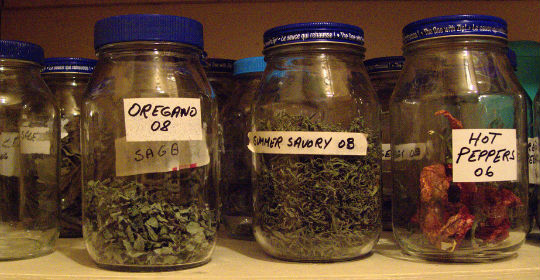
    Herbs are a gift from nature. They include leaves, bark, berries, roots, gums, seeds, stems and flowers. They have been used for thousands of years to help maintain good health.

    Alfalfa
    Aids in healing allergies, arthritis, morning sickness, peptic ulcers, stomach ailments & bad breath; cleanses the kidneys & removes poisons from the body; neutralizes acids; is an excellent blood purifier & blood thinner; improves the appetite and aids in the assimilation of protein, calcium & other nutrients.

    Aloe Vera
    Helps alleviate constipation, aids in healing burns & wounds, canker sores, cold sores, ulcers, acne and digestive disorders.

    Blessed Thistle
    Helps strengthen the heart & lungs; aids in healing urinary, pulmonary & liver disorders; increases circulation to the brain; aids digestion, reduces fever, expels worms, helps alleviate menstrual cramps.

    Burdock Root
    Is an excellent blood purifier and cleanser; aids in healing skin blemishes, arthritis & rheumatism; promotes healthy kidney function.

    Capsicum
    Promotes cleansing of the circulatory & digestive system; reduces fever, purifies the blood; helps prevent muscle aches, tiredness, skin blemishes, headaches, rheumatism, ulcers & sore throats; helps in regulating your blood pressure and pulse rate.

    Cascara Sagrada
    Stimulates the secretions of the entire digestive system; helps prevent nervous disorders, colon & constipation problems.

    Chamomile
    An excellent cleanser & toner of the digestive tract; aids in calming the nerves; expels worms & parasites; Improves the appetite & helps eliminate dandruff.

    Chaparral
    Aids in healing skin blemishes, acne, arthritis & allergies; promotes hair growth; acts as a natural antibiotic within the body with no side effects.

    Comfrey
    Aids in healing respiratory ailments, anaemia, arthritis, fractures, mucous membranes, lungs & wounds; it is soothing to the gastrointestinal tract; aids in cell proliferation; helps the pancreas in regulating blood sugar level; helps promote the secretion of pepsin & is a general aid to digestion.

    Echinacea
    Is the most effective blood & lymphatic cleanser in the botanical kingdom; its acts as a natural antibiotic and works like penicillin in the body with no side effects; aids in reducing fever, infections, bad breath & mucous build-up.

    Euphrasia
    Aids in reducing skin blemishes, clears bloodshot eyes, and helps with impotence.

    Garlic
    Is extremely effective in dissolving and cleansing cholesterol from the blood stream; it stimulates the digestive tract; it kills worms, parasites and harmful bacteria; it normalizes blood pressure and reduces fever, gas & cramps; it used by athletes for increasing physical strength & energy.

    Ginger
    Aids in fighting colds, colitis, digestive disorders, flu & gas; it helps increase the secretion of saliva; is excellent for the circulatory system and helps increase stamina.

    Ginseng
    Aids in increasing endurance, longevity & vitality; aids in balancing hormonal activity; acts as a sexual stimulant, mental & physical stimulant; normalizes blood pressure levels; helps protect the body against stress; strengthens the endocrine glands; stimulates the activity of RNA & DNA in your cells, thus helping retard the aging process.

    Gotu Kola
    Is an excellent “brain food” which promotes memory & helps alleviate mental fatigue; excellent for the eyes, impotence, endurance, energy & normalizing blood pressure; considered to be an excellent nerve tonic.

    Hawthorne Berries
    Strengthens the muscles and nerves to the heart; aids in relieving emotional stress; regulates high & low blood pressure; helps combat arteriosclerosis, hypoglycaemia and heart disease.

    Hyssop
    Regulates blood pressure, purifies the blood & promotes circulation, excellent aid for the eyes, hoarseness, lungs, mucous build-up, nervous disorders and skin problems.

    Liquorice
    Expels mucous from the respiratory tract aids in healing hoarseness, hypoglycaemia, coughs & constipation; promotes healthy adrenal glands; acts as a sexual stimulant; helps increase endurance & vitality; helps in reducing skin blemishes (age spots).

    Ma Haung
    A stimulant of the adrenal glands; helps increase energy level; aids in healing asthma, bronchitis, lung, coughs & congestive disorders.

    Mullein
    A bone, flesh and cartilage builder; aids in healing respiratory ailments, asthma, bronchitis, diarrhoea, sinus congestion; soothing to any inflammation and relieves pain; acts to relieve spasms & clears the lungs.

    Rose Hips
    Used to fight infection & curb stress. it is the highest herb in Vitamin C content and contains the entire C-Complex.

    Sarsaparilla
    Helps cure impotence; relieves inflammation & gas and will increase the flow of urine; an excellent blood purifier; aids rheumatism, heartburn, hormones, gout, fever ad mucous build-up; also used to promote perspiration.

    Spirulina
    Is an algae containing 65 – 70% protein; it contains 26 times the Calcium of milk; also contains phosphorous & niacin and is far more nutritious than any known food; used for rejuvenation & weight reduction; an excellent blood and colon cleanser; very high in Vitamin B12 content.

    Yellow Dock
    A nutritive tonic, high in Iron and useful in treating anaemia; also nourishes the spleen and liver, thus, being effective for the treatment of Jaundice, Lymphatic problems & skin eruptions; strengthens, cleanses & tones the entire body; excellent for boils, ulcers, wounds, and cleansing the blood.

    Image Credits – Spanginator